Daytona International Speedway once again delivered a race for the ages as Ryan Blaney powered his way to a thrilling victory, shaking up the NASCAR Cup Series playoff picture. While Blaney’s win was monumental in its own right, the ripple effect of his success had an even greater impact: Alex Bowman’s playoff hopes received a decisive boost.
Blaney’s Path to Victory
The race at Daytona was filled with tension, chaos, and the unpredictable drama that only superspeedway racing can provide. Blaney’s strategic patience, drafting awareness, and bold late-race moves allowed him to emerge from the pack at the perfect moment.
“Daytona is all about timing,” Blaney said post-race. “We stayed calm, executed our plan, and it paid off when it mattered most.”
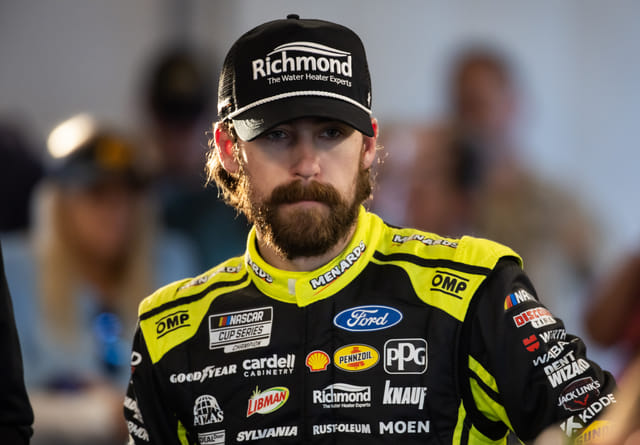
His triumph marked a key win not just for himself but for Team Penske, reinforcing his role as one of the most reliable closers in high-stakes situations.
Playoff Implications: Bowman Benefits from Blaney’s Win
While Blaney celebrated in Victory Lane, the spotlight quickly turned to Alex Bowman. Entering Daytona, Bowman was precariously positioned near the playoff bubble. Blaney’s victory, however, shifted the points landscape in a way that indirectly secured Bowman’s postseason berth.
Without a surprise winner from outside the top-16 standings at Daytona, Bowman’s consistency throughout the season paid off. Blaney’s victory effectively blocked other bubble drivers from bumping Bowman out, ensuring the No. 48 team lives to fight another day.
The Strategic Element
Blaney’s win wasn’t just about speed — it was about situational awareness and teamwork. By controlling the race in its final laps, he prevented potential spoiler victories from drivers desperate for a playoff-clinching upset.
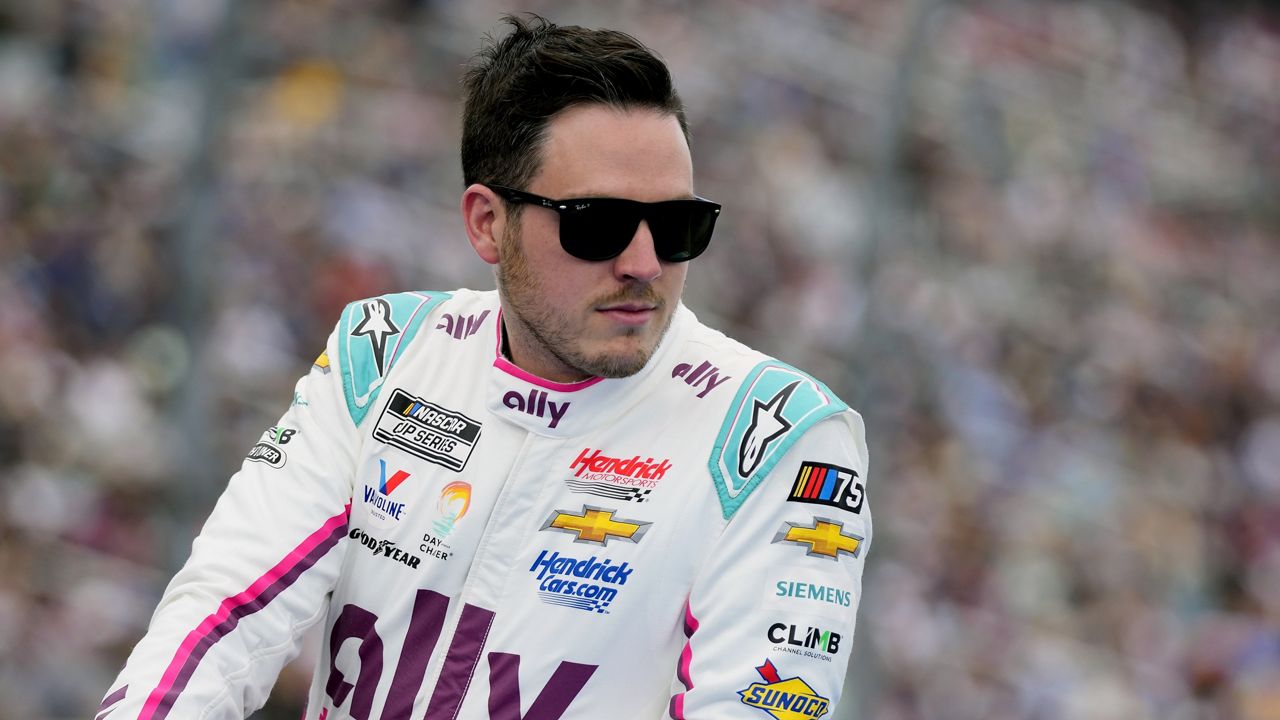
This domino effect highlights the interconnected nature of NASCAR’s playoff system, where one driver’s triumph can secure another’s postseason future. For Bowman, that means a chance to reset and refocus with a guaranteed spot in the playoffs.
Bowman’s Reaction and Playoff Outlook
Bowman expressed relief and gratitude after the race, acknowledging how pivotal Blaney’s win was to his own playoff chances.
“We knew Daytona could make or break our season,” Bowman admitted. “Ryan ran a great race, and it definitely helped us lock things in. Now it’s time to take advantage of the opportunity.”
With a playoff spot secured, Bowman and the No. 48 Hendrick Motorsports team can shift their focus to consistency and execution in the opening rounds, aiming to advance deep into the championship hunt.
What This Means for the Championship Picture
Blaney’s Daytona victory adds momentum to his own campaign while simultaneously reshaping the playoff grid. For Bowman, surviving the bubble drama means he can now aim higher — potentially playing the role of underdog spoiler against stronger-seeded drivers.
NASCAR analysts believe both Blaney and Bowman could be dark horses in the postseason. Blaney’s ability to close races under pressure and Bowman’s consistency across different track types give them each an edge as the competition intensifies.
………………………………………
Dale Earnhardt Jr. has made headlines by reclaiming the iconic No. 8 badge from Teresa Earnhardt, a move that signifies the end of nearly two decades of tension. In his statement, he emphasized that “form is temporary, class is forever,” reflecting on his legacy and the importance of family in the sport – NH
In a move that has electrified the NASCAR community, Dale Earnhardt Jr. has officially reclaimed the iconic No. 8 badge from Teresa Earnhardt. The development marks the end of nearly two decades of tension surrounding the number that became synonymous with the Earnhardt family name.
A Statement Filled With Meaning
When confirming the news, Earnhardt Jr. reflected on his journey and his family’s lasting impact on NASCAR. He declared:
“Form is temporary, class is forever.”
The words underscored not just his personal pride but also the importance of heritage, respect, and legacy in the sport that defined his life.
Why the No. 8 Matters
The No. 8 holds a special place in NASCAR history. It is a number deeply tied to the Earnhardt lineage, carried by Dale Jr. during some of the most defining years of his career. Losing it after his departure from Dale Earnhardt, Inc. (DEI) was seen as a symbolic fracture in the Earnhardt family legacy.
By reclaiming the number, Earnhardt Jr. has restored a sense of unity and given fans a reason to celebrate both nostalgia and progress.
The End of a Long Rift
The tension between Dale Earnhardt Jr. and Teresa Earnhardt has been one of NASCAR’s most publicized off-track storylines. For many fans, this reconciliation — signified through the No. 8 — feels like the closing of an emotional chapter.

Industry insiders suggest that this move could pave the way for a more collaborative future within the Earnhardt brand, ensuring that Dale Sr.’s legacy continues to thrive for generations.
Fan Reaction: Nostalgia and Respect
Fans across social media have expressed overwhelming excitement, praising Jr. for reclaiming what many felt was rightfully his. Hashtags like #BackTo8 and #EarnhardtLegacy quickly gained traction, proving just how deeply this moment resonates.

Conclusion
With the No. 8 back in his possession, Dale Earnhardt Jr. has not only reclaimed a symbol of his career but also mended a legacy that stretches across NASCAR history. His statement — “form is temporary, class is forever” — serves as both a reflection on his journey and a reminder of the enduring strength of family ties in motorsport.
👉 What do you think about Dale Jr.’s reclaiming of the No. 8? Is this the moment fans have been waiting for all along?
……………………………………………………………………………….
Mark Martin Slams NASCAR: “In Chasing New Viewers, They’ve Turned Their Back on the Fans Who Made the Sport Great’” Legendary driver Mark Martin has criticized NASCAR for prioritizing the pursuit of new viewers over the loyal fanbase that has supported the sport for decades. His comments raise important questions about the balance between innovation and tradition in NASCAR – NH
Legendary NASCAR driver Mark Martin has never been one to mince words. Recently, the Hall of Famer delivered a stinging critique of the sport he helped shape, accusing NASCAR of abandoning its loyal fanbase in pursuit of new viewers. His comments reignite the long-running debate over whether NASCAR is losing its identity by focusing more on entertainment than tradition.
Martin’s Strong Words
Speaking candidly, Martin expressed frustration with NASCAR’s current direction, suggesting that in chasing younger audiences and expanding into new markets, the organization has alienated the fans who built the sport’s foundation.

“In chasing new viewers, they’ve turned their back on the fans who made the sport great,” Martin said.
His words hit a nerve with many longtime fans who feel the same way — that NASCAR’s push for modernization, from schedule changes to entertainment-driven events, has come at the cost of authenticity.
Innovation vs. Tradition: NASCAR’s Ongoing Struggle
NASCAR has spent the past decade experimenting with rule changes, new race formats, and marketing strategies aimed at broadening its audience. While some initiatives have drawn fresh interest, critics argue that the sport’s unique culture is being diluted.
For veteran drivers like Martin, the issue is not about growth itself but about how that growth is achieved. “It’s possible to bring in new fans without forgetting the ones who have been there for decades,” Martin emphasized.
The Fan Reaction
Martin’s comments have sparked widespread discussion across NASCAR communities and social media platforms. Many longtime supporters echoed his sentiments, calling for NASCAR to recommit to its grassroots roots, including:
-
More short-track racing
-
Greater emphasis on driver personalities
-
Stronger recognition of the sport’s history
On the other hand, some argue that NASCAR’s survival depends on appealing to younger, more diverse audiences — even if it means leaving certain traditions behind.
What’s Next for NASCAR?
As NASCAR heads deeper into the modern era, the tension between innovation and tradition continues to grow. Martin’s criticism serves as a reminder that while adapting to new times is necessary, forgetting the sport’s heritage risks alienating its most passionate fans.

The question remains: Can NASCAR strike the right balance?
Conclusion
Mark Martin’s bold statement has reignited a debate at the very heart of NASCAR: should the sport prioritize tradition or chase new audiences at all costs? Whatever the answer, one thing is clear — fans, both old and new, will be watching closely.
👉 Do you agree with Mark Martin? Has NASCAR gone too far in chasing new viewers, or is this the evolution the sport needs?


